Sophie Renard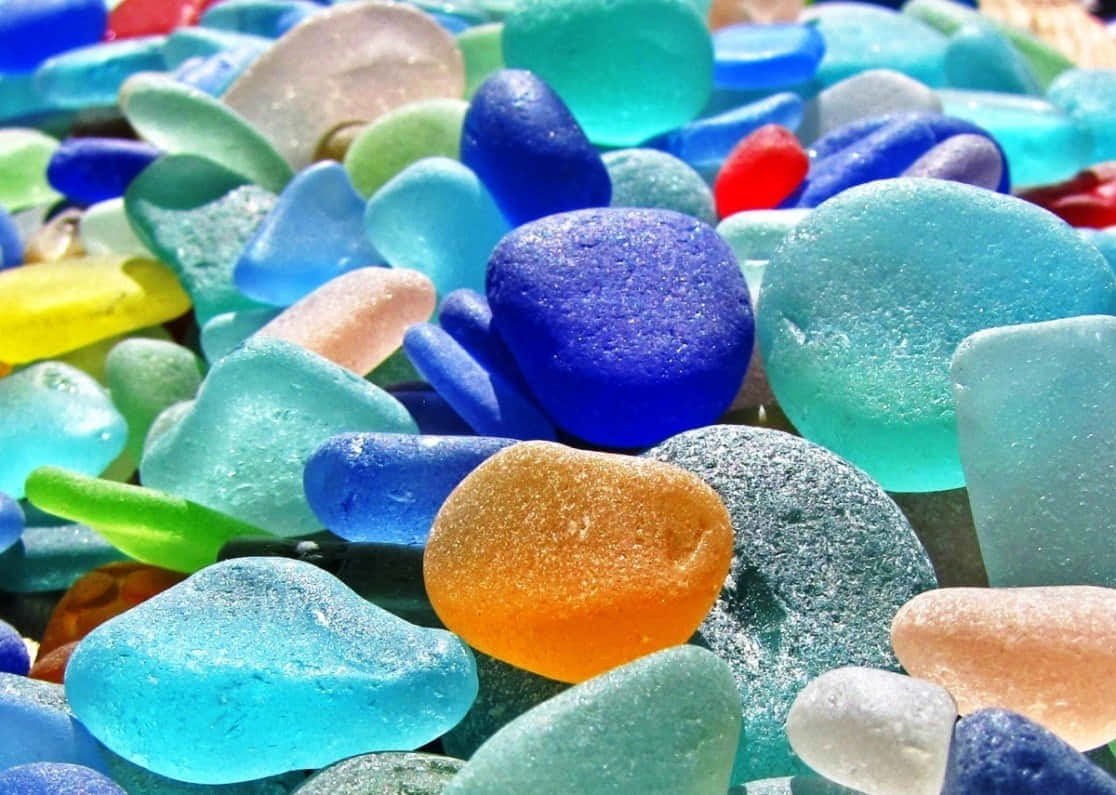
Sea glass begins as broken glass tossed into the ocean. Over decades, waves and sand smooth its sharp edges into frosted, rounded gems. This transformation turns trash into treasure. On a related note, Moraira 03724: A Coastal Gem in Spain’s Alicante Province adds useful context
How Ocean Waves Transform Broken Glass
When glass enters the sea, it doesn’t decompose. Instead, constant tumbling against sand and rocks wears down its surface. Saltwater and sunlight contribute to the chemical weathering that gives sea glass its signature frosty appearance. Public records covering this story are gathered in
The process takes at least 20 to 50 years, depending on wave intensity and glass type. Thicker pieces, like those from old bottles, last longer and often retain more color. Clear glass turns milky white, while colored glass keeps its hue but gains a soft, weathered glow.
Not all glass becomes sea glass. Only items that sink and remain in high-energy coastal zones undergo this natural recycling. Floating debris or glass buried in deep sediment rarely transforms.
Where to Find Sea Glass and What to Look For
Prime sea glass locations include sheltered coves, river mouths, and areas near historic dumping sites. In the United States, beaches along the Pacific Northwest and the Great Lakes are known hotspots. In Europe, the shores of Cornwall and the Baltic Sea yield abundant finds.
Collectors often search after storms, when shifting sands expose new pieces. Low tide also reveals more of the shoreline, increasing chances of discovery. The best times are early morning or late afternoon, when lighting enhances color visibility.
Authentic sea glass has smooth, rounded edges and a frosted surface. Fake versions, often made by tumbling new glass in machines, lack the subtle variations of natural aging. True sea glass shows tiny pitting and a soft sheen that only decades in saltwater can create.
Colors vary by source. Brown and green come from beer and soda bottles. White is common from modern containers. Rare shades like cobalt blue, red, or orange stem from vintage glassware, lanterns, or decorative items.
Sea Glass and Its Environmental Story
While sea glass is beautiful, its origin reflects a history of ocean pollution. Before modern waste management, coastal communities often dumped trash directly into the sea. Glass was among the most persistent materials.
Today, sea glass serves as a reminder of past environmental habits. Each piece tells a story of neglect and natural reclamation. Some artists use collected sea glass in mosaics, jewelry, and home decor, giving new life to what was once waste.
However, finding sea glass is becoming harder. Improved recycling and reduced coastal dumping mean less new glass enters the ocean. Existing pieces are slowly disappearing as they break down or get collected.
This scarcity has increased interest in preservation. Some coastal towns now protect known sea glass sites, encouraging responsible collecting. Others host educational programs to teach visitors about marine debris and sustainable practices.
Why Sea Glass Captures the Imagination
Sea glass appeals to both artists and environmentalists. Its journey from landfill to shoreline mirrors broader themes of renewal and resilience. For many, collecting it is a meditative practice, connecting them to the rhythms of the sea.
Artists value sea glass for its texture and color. It requires no cutting or polishing, preserving its natural form. Mosaics made from sea glass often depict marine life, coastal scenes, or abstract patterns inspired by ocean movement.
Jewelry makers string sea glass into necklaces and earrings, celebrating its uniqueness. No two pieces are identical, making each item one-of-a-kind. Workshops teaching sea glass crafting have grown in popularity along coastal regions.
Beyond art, sea glass inspires scientific curiosity. Researchers study its degradation rate to understand microplastic formation. Though glass doesn’t break into microplastics like synthetic materials, its long lifespan highlights the persistence of human-made waste in marine environments.
For beachcombers, the hunt itself is rewarding. The quiet focus of scanning the tideline fosters mindfulness. Finding a rare piece—like a deep amber shard or a twisted ribbon of blue—feels like uncovering a hidden secret of the sea.
Sea glass also connects people to history. A piece of green glass might come from a 19th-century medicine bottle. A shard of red could be from a vintage car taillight. Each find offers a glimpse into past lives and industries.
As coastal development increases, natural sea glass sites face pressure. Erosion, tourism, and cleanup efforts can disturb or remove deposits. This makes preservation efforts more important than ever.
Some collectors now advocate for “leave no trace” beachcombing, taking only a few pieces per visit. Others support beach cleanups that remove harmful debris while preserving sea glass for future discovery.
Sea glass remains a symbol of transformation. What was once discarded now holds beauty and meaning. Its story encourages reflection on waste, time, and the quiet power of nature to heal and reshape.