Marie Leblanc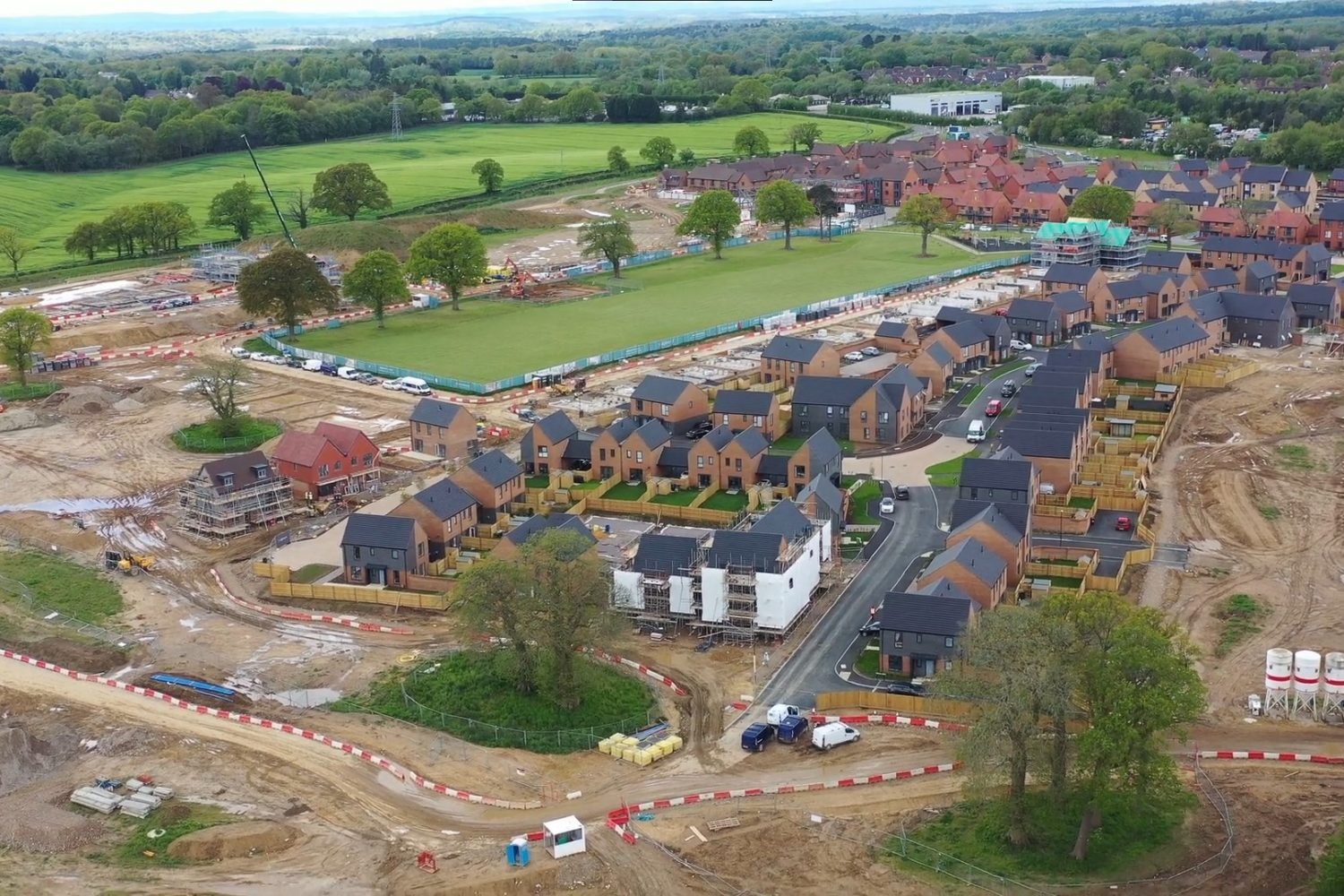
Pease Pottage village sits quietly along the A23 road in West Sussex, England. It serves as a small but notable stop between Crawley and Horsham. Readers exploring pease pottage village will also find context in Ardleigh Essex UK: A Quiet Village with Deep Roots
Origins and Early Development of Pease Pottage Village
The name ‘Pease Pottage’ has roots in medieval food culture. ‘Pease pottage’ was a thick soup made from peas, commonly eaten by peasants in the Middle Ages. The village likely took its name from an inn or roadside serving this dish. Pease Pottage
Historical records suggest the area was a stopping point for travelers as early as the 16th century. Its location on a major route between London and the south coast made it a natural resting place. Coaches and later motorists passed through, drawn by its accessibility.
The village remained small for centuries, with agriculture and local trade forming its economic base. By the 19th century, Pease Pottage had a handful of cottages, a public house, and a smithy. It was never a large settlement, but its position ensured steady activity. Town and Village Guide – Pease Pottage in West Sussex – United Kingdom
Pease Pottage Village in the Modern Era
Today, Pease Pottage village is best known for its service station, which opened in the late 20th century. The Pease Pottage Services provide fuel, food, and rest for drivers on the A23. This development brought new economic activity to the area.
Despite modernization, the village retains its rural character. Surrounding farmland and woodland buffer it from nearby towns. The original village core still exists, with older buildings standing alongside newer homes.
Local governance falls under the Horsham District Council. Residents participate in community events and maintain ties to neighboring villages. The village hall hosts gatherings, reflecting its ongoing social role.
What Is Confirmed and What Remains Unverified
The name’s link to the traditional pea-based dish is widely accepted by historians.
However, the exact date when the village first appeared on maps remains unclear. Some sources suggest it was marked as early as 1596, but no surviving map from that year confirms this. The original inn’s name and operator are also lost to time.
Another uncertainty involves population size. No official census data exists for the village alone, as it is grouped with nearby areas.
Why Pease Pottage Village Matters Today
Pease Pottage village represents the quiet persistence of rural English communities. It shows how small settlements adapt to change without losing identity. Its service station brings convenience, but the village itself remains distinct from commercial development.
For travelers, it offers a brief glimpse into Sussex countryside life. For historians, it provides a case study in how place names preserve culinary history. The village’s evolution reflects broader shifts in transportation and land use.
Looking ahead, Pease Pottage may face pressure from regional growth. Crawley and Horsham continue to expand, increasing traffic and development interest. How the village responds will shape its future character.
Preserving its historical roots while accommodating modern needs will be key. Community involvement and thoughtful planning can help maintain its unique place in West Sussex. The story of Pease Pottage village is still being written.